


Lowes Foods Tests Deep Discounts on Surplus Produce to Reduce Food Waste

Lowes Foods is testing a new way to reduce fresh-food waste while helping shoppers stretch their grocery budgets, launching the Flashfood app at five stores in the Columbia, S.C., market.
Through the program, shoppers can purchase surplus food and products approaching their best-by dates for discounts of up to 60% off regular retail prices. Produce, meat, dairy and bakery items are among the products available through the app.
Customers browse participating stores’ available inventory, purchase items through Flashfood and pick up their orders at Lowes Foods’ customer service area, known as the Front Porch.
“We’re honored to partner with Flashfood to provide another way for our guests to get fresh products, save money and create less landfill waste,” said Tim Lowe, Lowes Foods’ president.
The initial pilot includes Lowes Foods locations in Forest Acres, Sandhill Village, two Lexington stores and Red Bank.
If the Columbia test is successful, Lowe said the grocer could introduce Flashfood in additional markets in coming months.
The program gives retailers another option for dealing with one of the produce department’s most persistent challenges: highly perishable inventory that remains perfectly edible but may not sell before quality begins to decline.
Rather than marking products down only after shoppers encounter them in the store, Flashfood gives customers a way to see discounted inventory before shopping.
Flashfood CEO Jordan Schenck said shoppers using the platform have saved more than $55 million during 2026.
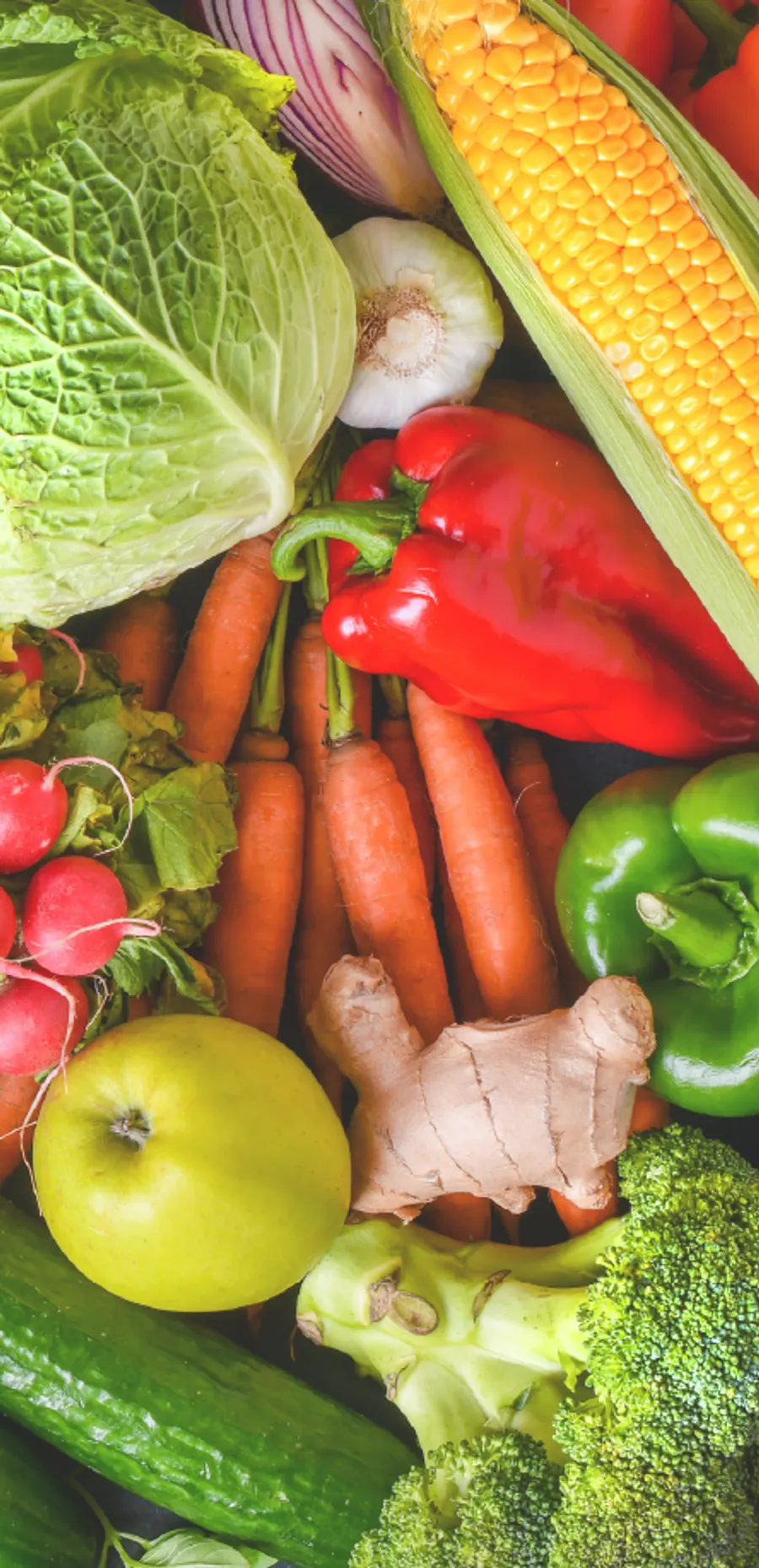
Fresh produce has become a particularly important part of the company’s business. Flashfood says produce boxes containing roughly 10 pounds of fruits and vegetables for about $5 are its top-selling offering, with more than 1 million boxes sold in 2026.
The company’s 2025 shopper survey also found 65% of Flashfood customers reported eating more fruits and vegetables after beginning to use the service, while 70% said their diet had become healthier.
Lowes Foods operates more than 80 supermarkets across North Carolina, South Carolina and Georgia.
For produce departments, the pilot combines two increasingly important retail issues: affordability and food waste.
Discounting fruit and vegetables before they become unsellable can help stores recover revenue from inventory that might otherwise be discarded, while giving shoppers access to fresh food at substantially lower prices.
For Lowes Foods, the Columbia pilot will determine whether that combination works well enough to take the program into more of its stores.