

California Specialty Crops Receive $28.9 Million for Research, Marketing and Technology

California specialty crops will receive $28.9 million in federal funding for 60 projects ranging from produce marketing and food safety to artificial intelligence-assisted table grape harvesting.
The funding comes through USDA’s 2026 Specialty Crop Block Grant Program, which is distributing approximately $86.6 million nationwide for 609 projects across 56 states and territories.
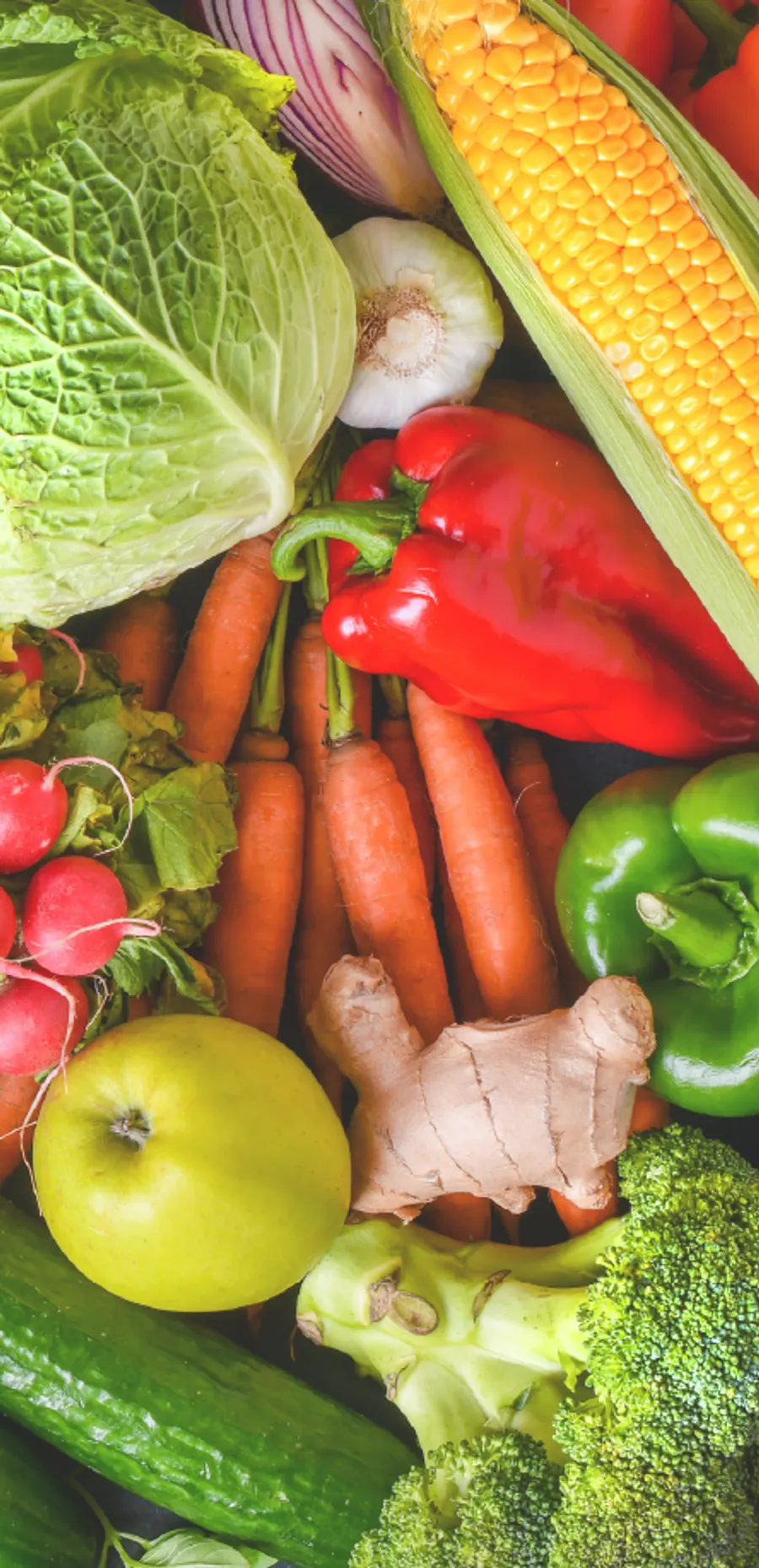
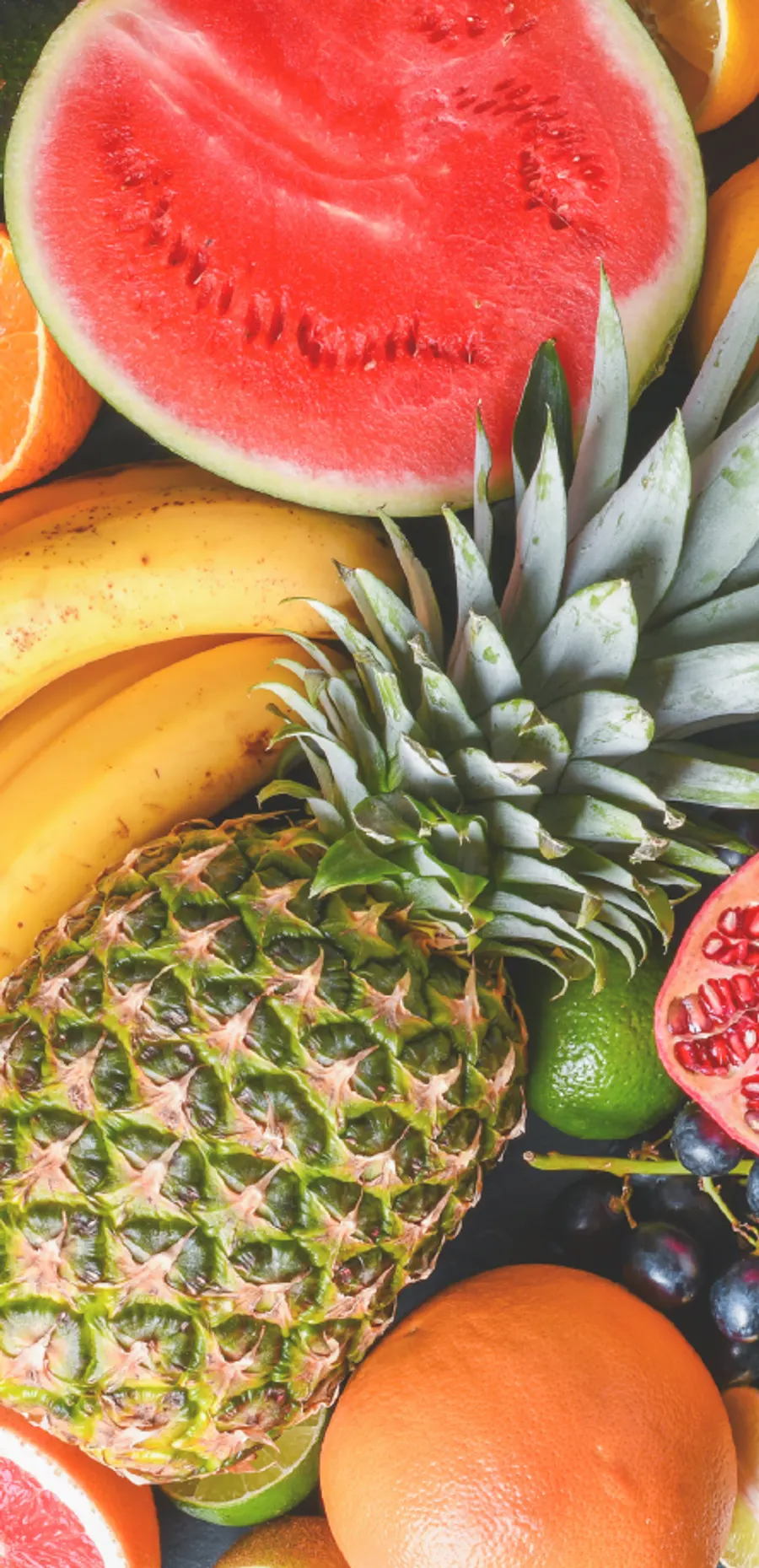
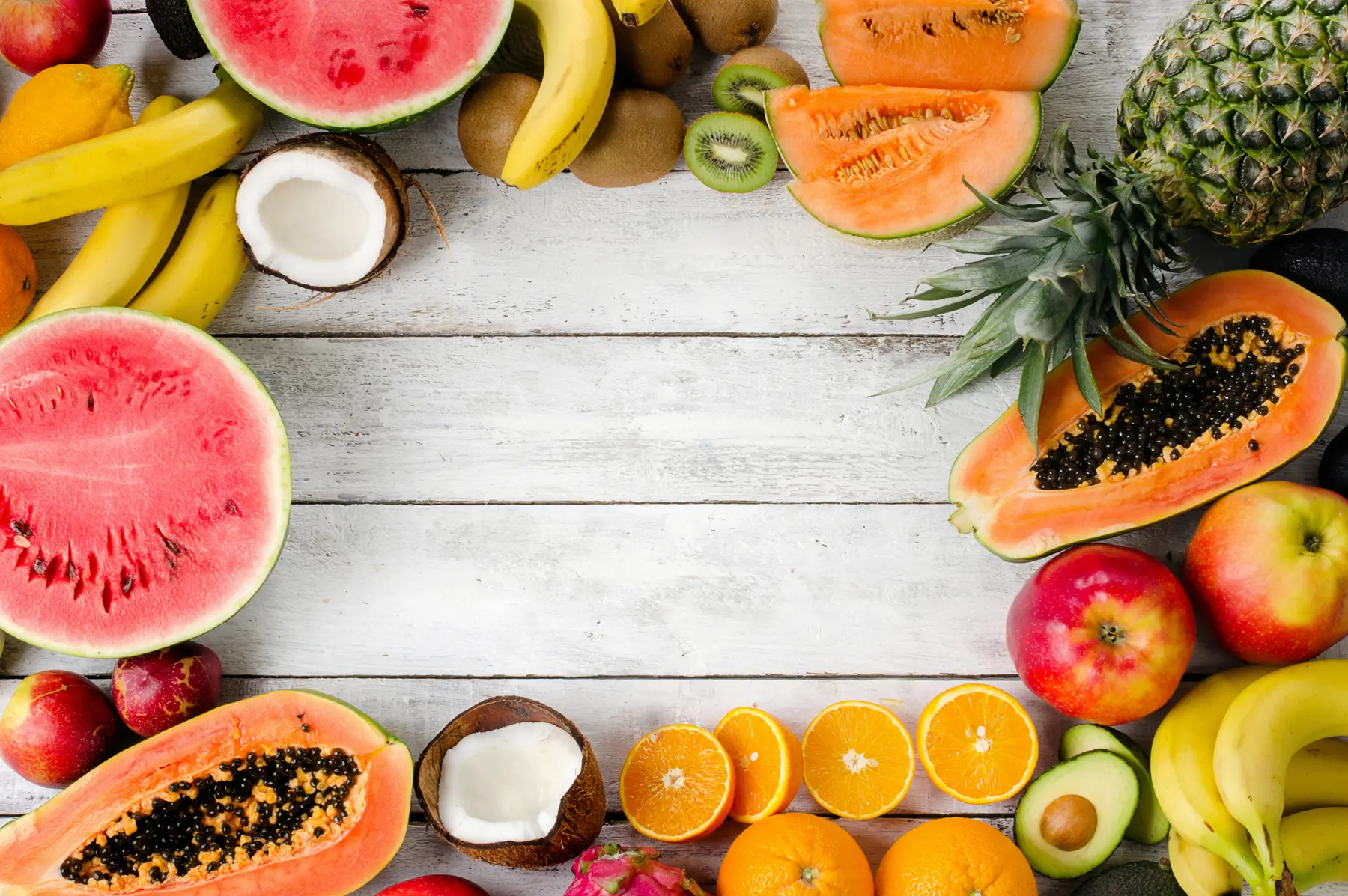
Specialty crops include fruits, vegetables, tree nuts, dried fruits, horticultural crops and nursery products.
“California’s Specialty Crop Block Grant Program continues to deliver tremendous value for our farmers, communities and consumers,” said California Department of Food and Agriculture Secretary Karen Ross. “As one of the nation’s largest recipients, we see firsthand how this funding drives innovation across our food system.”
Among the largest California awards, the Buy California Marketing Agreement will receive $3 million to establish its Growing CA GROWN Gold campaign.
The multi-platform effort will use educational programs and marketing promotions to increase awareness and consumption of California-grown specialty crops. Retail, foodservice and agritourism will be among the channels used to build consumer demand.
One of the more technologically focused projects involves table grapes.
California Polytechnic State University, San Luis Obispo, was awarded $497,404 to integrate robotics and artificial intelligence into a mobile harvesting platform. The project will use custom robotic arms designed for table grape harvesting.
The grants also include projects aimed at water use, soil health and access to locally grown fruits and vegetables.
The Pauma Band of Mission Indians will receive $249,858 for work addressing drought, declining groundwater, inefficient irrigation and poor soil health affecting specialty crop production in Pauma Valley and surrounding communities.
Los Angeles nonprofit Black Thumb Farm was awarded $249,993 for its Kinfolk Kitchen: Cooking with Specialty Crops program. Plans call for 20 community workshops promoting affordable, locally grown seasonal specialty crops and connecting residents with urban farms where they can purchase produce.
Other funded projects address pest and disease management, conservation, organic production, nutrition education and grower training.
CDFA is also continuing its partnership with the Center for Produce Safety to help evaluate and recommend research projects aimed at preventing foodborne illness.
USDA’s Specialty Crop Block Grant Program is intended to increase the competitiveness of crops that often fall outside federal programs designed around major commodity crops.
For California’s produce industry, this year’s awards spread investment across several of its biggest challenges and opportunities—improving food safety, developing new technology, reaching consumers and helping growers produce crops more efficiently.