

USDA Plans $118 Million Purchase of Fruits, Eggs to Support Growers and Food Banks

The U.S. Department of Agriculture is moving to purchase up to $118 million in agricultural commodities from American farmers and producers, with a significant share directed toward fruit, in an effort to support markets while supplying food banks and nutrition assistance programs nationwide.
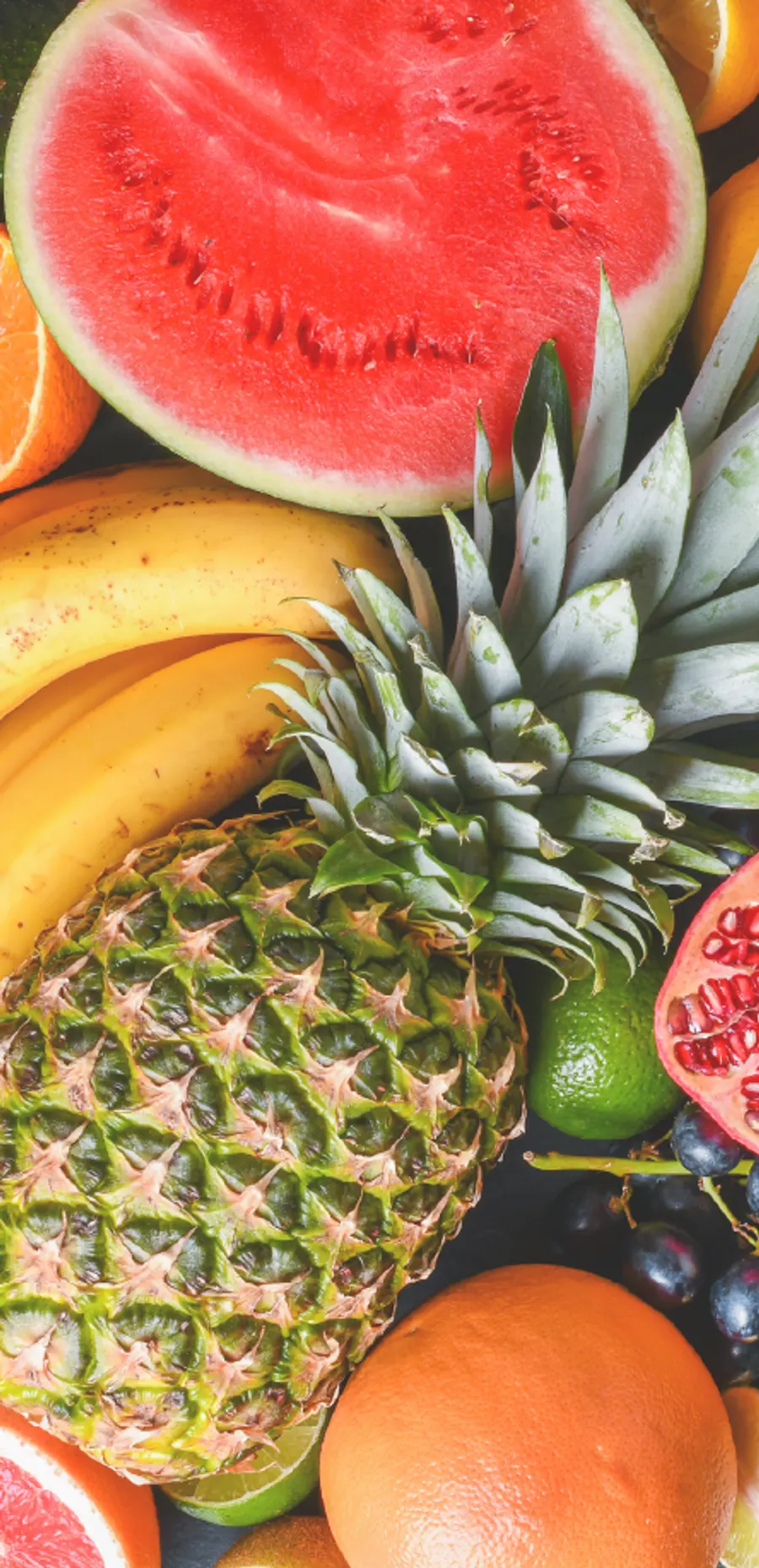
The buying effort, led by the Agricultural Marketing Service, includes $55 million in fresh and frozen peaches, $25 million in table grapes, $15 million in processed apricots, $3 million in dried sweet cherries and $20 million in shell eggs and egg products.
The scale and composition of the purchase stand out for the produce industry, with fruit accounting for the majority of the total investment. The large allocation for peaches, in particular, signals strong support for a category that is entering a critical seasonal window, while the $25 million earmarked for table grapes provides a meaningful boost for growers preparing for the upcoming domestic season.
Processed apricots and dried cherries round out the fruit mix, offering additional outlets for product that can be stored and distributed over a longer period.
Programs like this are a routine but important part of USDA’s approach to managing supply and demand. By stepping in as a buyer during key production periods, the agency helps absorb volume that might otherwise weigh on prices, particularly in specialty crop sectors where perishability and timing can create volatility. For growers, these purchases can provide a degree of stability, helping move product through the system while supporting overall market conditions.
The commodities will be distributed through the Food and Nutrition Service, including to food banks operating under The Emergency Food Assistance Program. These programs rely on USDA Foods purchases to supply nutritious options to individuals and families facing food insecurity, making the initiative a key component of the country’s broader food safety net.
The mix of fresh, frozen and processed items reflects a balance between nutritional value and logistical practicality. Fresh and frozen peaches and table grapes provide high-quality produce options, while processed apricots and dried cherries offer longer shelf life and easier storage for food banks managing fluctuating demand. The inclusion of eggs and egg products further diversifies the offering, ensuring a broader range of nutrient-dense foods reaches communities in need.
For the produce sector, the announcement highlights the ongoing role USDA plays behind the scenes in supporting specialty crops. While these purchases may not always generate headlines, they can have a tangible impact at a pivotal time in the season, helping growers, shippers and distributors maintain momentum as supply builds. At the same time, the program ensures that millions of Americans served by food banks and nutrition programs have access to a wider selection of healthy foods, reinforcing the dual mission of strengthening agriculture and supporting communities.