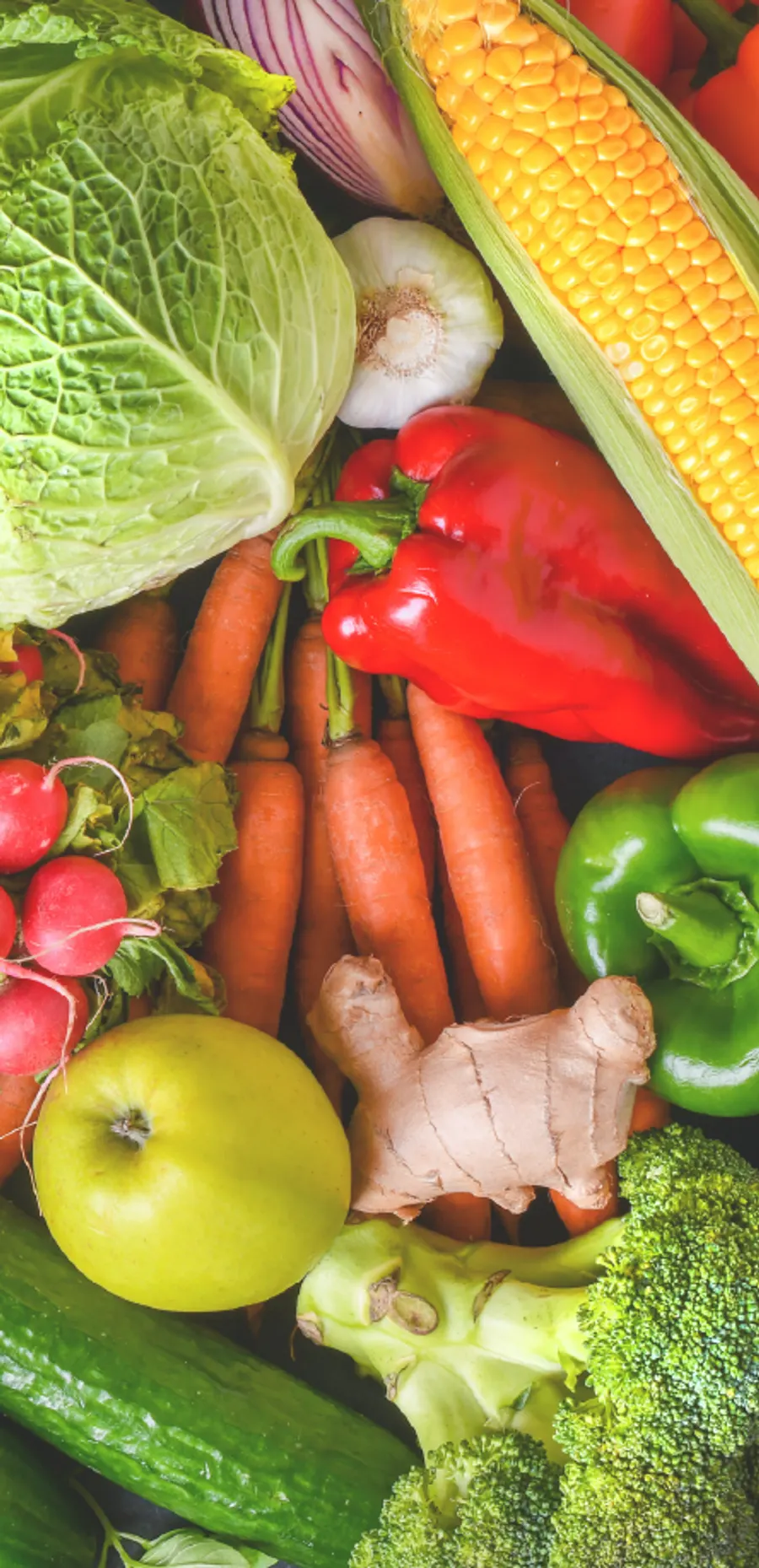


Fresh Produce and Floral Display
JustSayIt.com Logo
CURRENT INDUSTRY NEWS
Retail

Supermarket produce managers — skilled experts

By Ron PelgerMarch 19, 20262 min read
Supermarket produce managers — skilled experts

The produce industry comprises a diverse array of professionals across various sectors, ranging from farms to supermarket departments. Many occupy roles requiring critical decision-making to efficiently move large volumes of produce through the supply chain. These individuals are recognized for their precision, innovation, customer-centric mindset, and strong work ethic.


While vice presidents, directors of produce operations, buyers and marketing managers play essential roles as planners and strategists, the primary sales personnel are the produce department managers. These managers are responsible for generating sales volume in supermarkets and are adept at planning and constructing visually appealing displays that drive consumer purchases.


The reputation and image of a supermarket’s produce section significantly influence purchasing decisions, making these managers vital representatives who maintain direct interaction with consumers. Every item, from apples and oranges to lettuce and salad mixes, passes through their care before reaching the display.


A recent visit to a supermarket highlighted the challenges faced by produce managers seeking advancement. One manager shared that, despite leading a successful department, he received little recognition from his supervisor, prompting him to seek opportunities at another supermarket company.


Such transitions underscore an ongoing issue: filling produce manager positions with qualified individuals is increasingly difficult. As the fastest-growing section of stores, driven by consumer demand for fresh produce over the past two decades, the role requires exceptional skill and adaptability. Produce managers must stay informed about evolving consumer preferences and meet demanding merchandising requirements, particularly in modern supercenter environments. Vacancies in these positions can have significant operational impacts.


Historically, produce managers advanced through rigorous training under experienced mentors, cultivating qualities such as passion, motivation and perseverance. Their commitment to self-education and operational excellence was evident throughout their careers.


While many of these attributes remain, today’s produce managers operate within a transformed industry landscape shaped by corporate mergers and analytical approaches to category management. The traditional street-smart leadership style has largely given way to more data-driven practices.


Contemporary produce managers face accelerated learning timelines and more complex demands without the benefit of extensive on-the-job mentorship. Rapid adaptation and innovative thinking are now integral to their roles.


Although surveys often identify directors as the most influential personnel in produce operations, it is the produce manager who executes strategy and drives success directly on the department sales floor. Entrusted with significant responsibility, produce managers are central to both store and industry success.


The role of the produce manager remains pivotal, and recognition of their contributions is essential.

Master produce retail

Get retail strategies, merchandising tips, and consumer trends to boost your produce sales.

Increase your retail success

No spam. Unsubscribe anytime.

Advertisement
Advertisement
Advertisement
Advertisement
Advertisement
Advertisement
Advertisement
Advertisement

Share this article

About the Author

R

Ron Pelger

Ron Pelger is a former director of produce merchandising and procurement for a major supermarket retail chain. He is currently a free-lance writer for the produce industry supporting growers, shippers, and retailers. He can be contacted at 775-843-2394 or by e-mail at ronprocon@gmail.com.

Join the Conversation

Share Your Thoughts

1 Comment

D
Dennis KihlstadiusMar 19, 2026

Great comments and observations Ron. Back in the day the commodity boards/associations I use to consult for had me give seminars to retail groups. This was before the “take over and consolidation” of the regional retail banners by the larger corporations in retail. Dave Parker from the CA Tree Fruit Agreement use to share my slide projector (we did not have laptops for PPT presentations back then) Dave use to call me “Grand Pa” because that is what Grand Pa’s did back in the day…show you there old slides!

Myself and other commodity groups would give a 30 – 45 min talk about our product or commodity we were representing. It would usually last from 0800-1145, with 4 or 5 of us talking. Then we would have lunch and the afternoon time was for that particular retailer to use for their own internal talks and up coming sales strategies. This was done for Lucky’s, Ralph’s, Wegman’s, United Stores of TX, H.E.B., Super Valu, and many others. Some of those names have morphed into other banner names and some have disappeared. The point being the C-suite knew these seminars were needed to bring the best practices and merchandising strategies to their produce departments. The number one reason customers shop a given store…the produce dept. Store chains made an “investment” into their most profitable dept and the one that could cause the most “shrink” due to poor practices at store level.

My question is why has that powerful tool in learning disappeared? Why are there no technical schools teaching a produce centric course at their school. Back in the day the P.M.A. had the Ronnie Delacruz Produce Academy, that ended after P.M.A. took it over (after about 3 yrs). Then there was the U.C. Davis Post Harvest Workshop, that the late Dr. Adel Kader started. That has also ended as we knew it, HOWEVER there is a group that wants to keep this education workshop viable and we had a very successful workshop recently in Savannah, GA.

The point being the produce industry needs produce professionals at store level. The produce dept. is now the meat dept. of old and we need those professionals to interact with the customers, to let them know what is in season and tasting the best for their take home enjoyment. Education is the key to develop in-store produce dept. “Hero’s” to further the growth and sales of the dept. Without them the excitement of the dept. will die and customers will bypass all of the new season items and exciting produce products that are now in the dept. We need to keep produce specialists educated and excited about their job’s and the produce dept. they are in charge of, or the dept. will die on the vine.