
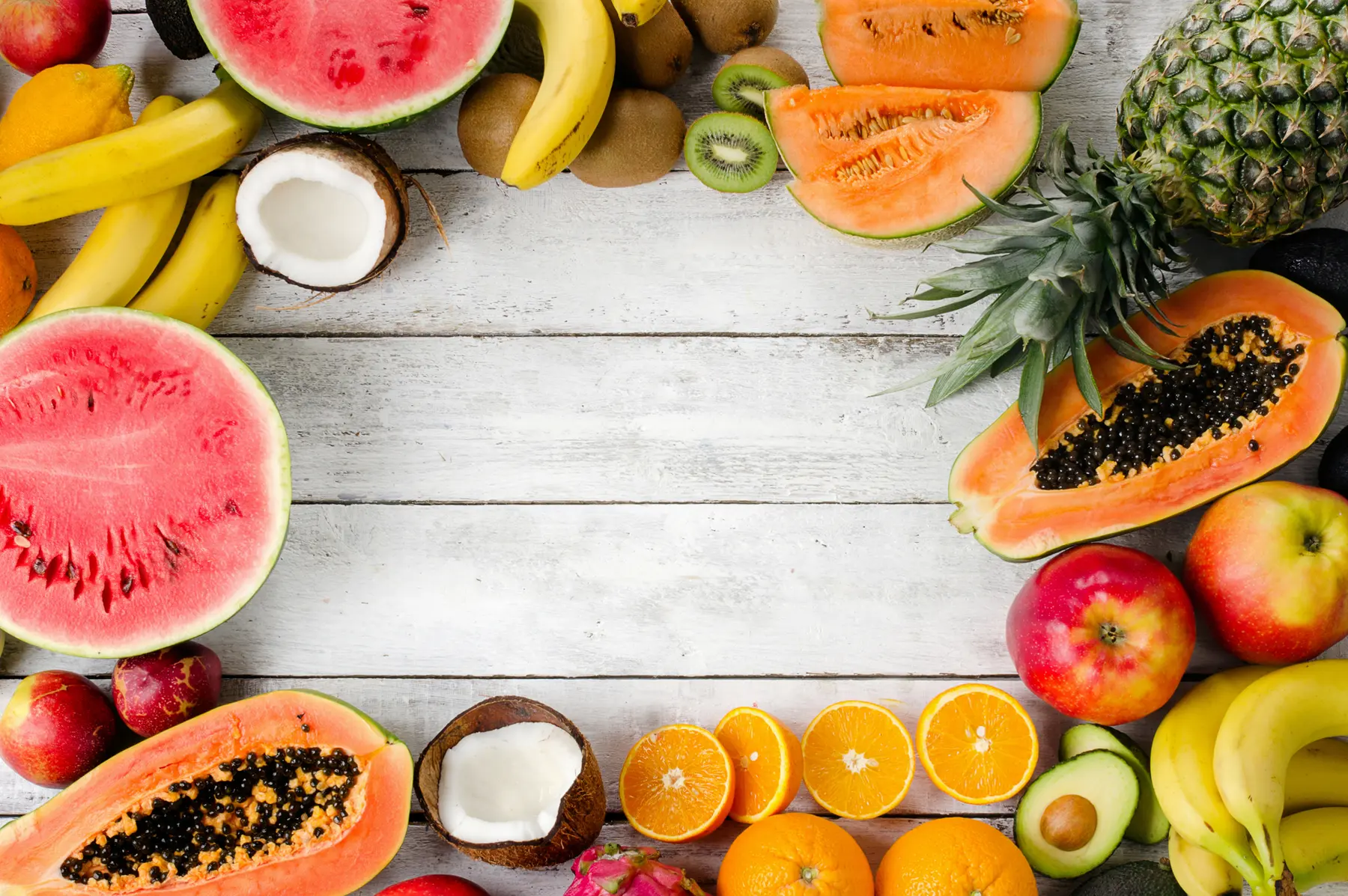

Merchandising organic produce front and center

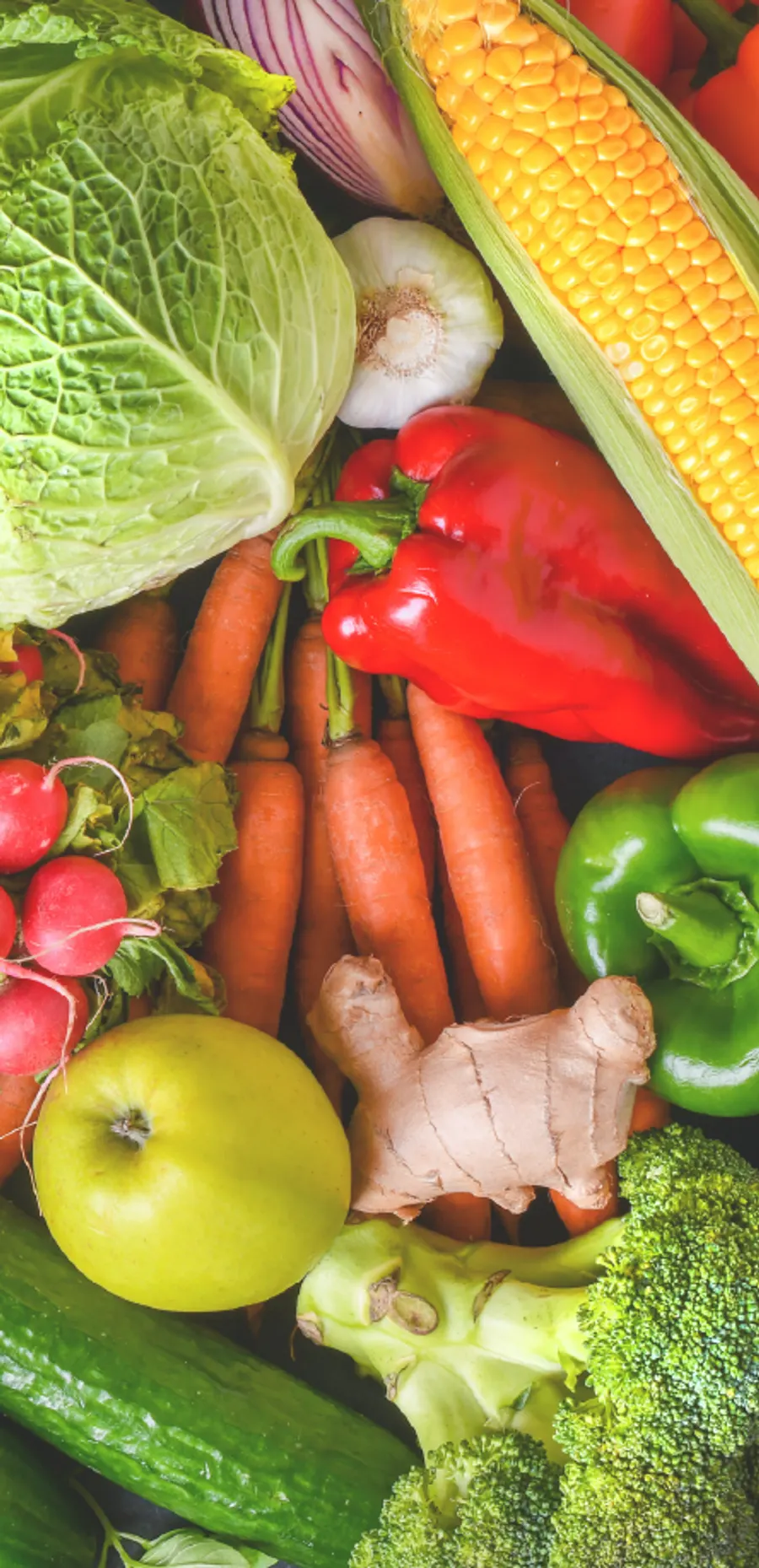
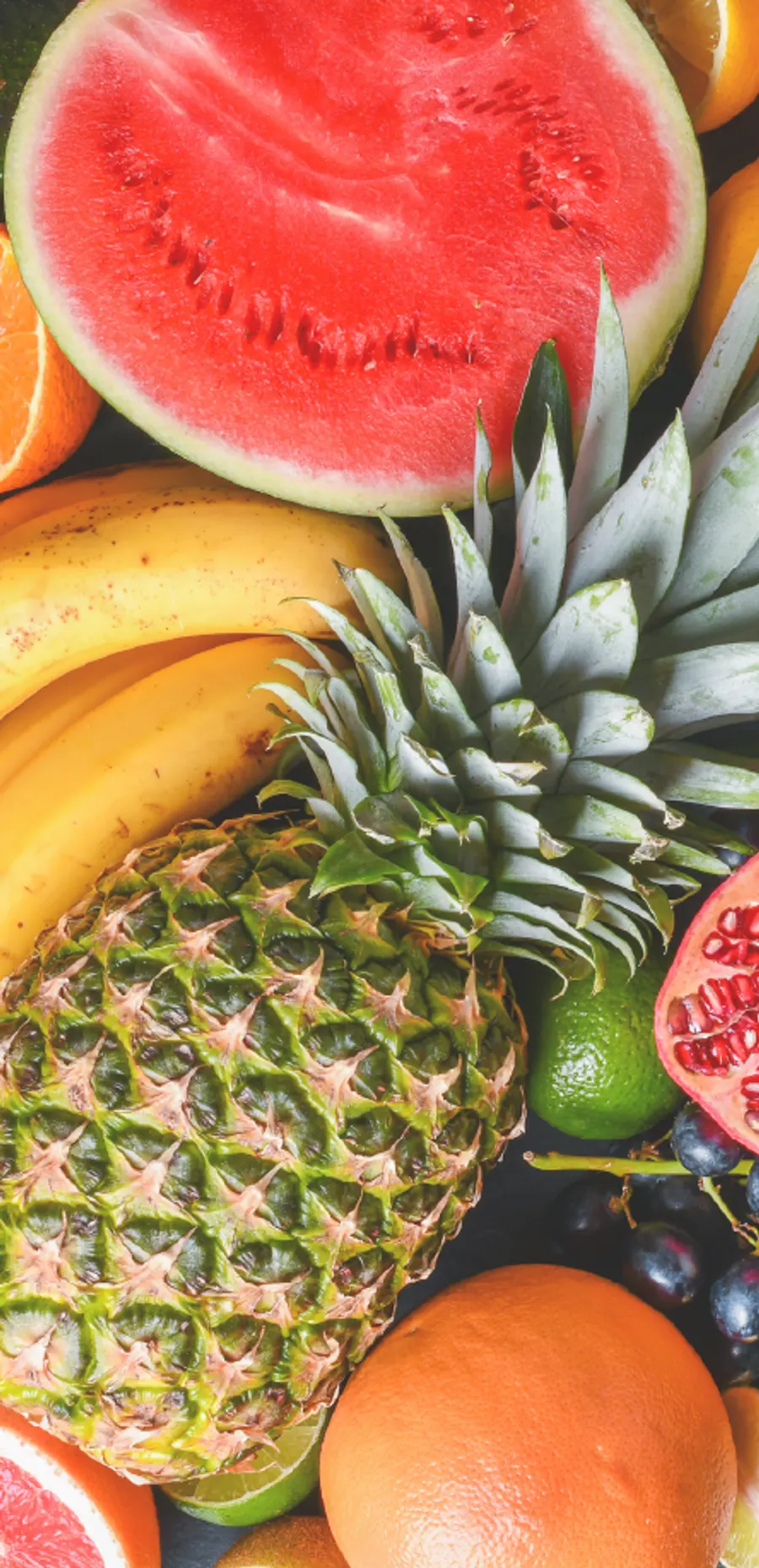
Organic produce barely existed at retail in the mid-1980s. If a shopper asked for organic apples or lettuce, the produce manager’s answer was almost always “No.” Stores didn’t carry it, ads didn’t promote it, and departments had no dedicated organic sections.
Everything changed in February 1989 with the Alar scare. Overnight, consumer concern about food safety and environmental health exploded. Demand for pesticide-free produce surged, and retailers had to react fast. We scrambled to find suppliers even though early organic offerings were thin in both variety and volume. Media coverage amplified the movement, and organic agriculture stepped in to meet the new expectations.
Fast-forward to today: organic produce is mainstream. Every supermarket carries it, and some departments stock 100 or more items. But simply having organics isn’t enough. The next step is elevating the category from “we have it too” to a fully merchandised, front-and-center destination.
A handful of organic items buried at the bottom of the weekly ad won’t move the needle. Neither will a cramped, hard-to-find organic section tucked into a corner. If shoppers can’t easily see it, they won’t buy it. A neglected organic display becomes the produce equivalent of that forgotten coffee brand stuck on the bottom shelf behind a pole.
To truly reach customers, organic produce must be merchandised with intention. Four fundamentals drive success:
Sections — Organic produce needs two distinct areas: • A refrigerated wall case for sensitive vegetables. • A nearby table fixture for sturdier items like apples, citrus, onions, and tomatoes.
Exposure — The presentation must be conspicuous. Attractive, well-built displays command attention and signal that organics are a priority, not an afterthought.
Choices — Today’s supply supports broader variety. A robust mix of items increases shopper interest and sales.
Impact — Shoppers make purchases 18% of the time while observing displays. End caps are powerful impulse zones. Featuring two or three organic items on an end cap puts them in the spotlight and drives incremental sales.
Retailers have made progress with advertising and dedicated sections, but the real opportunity now is additional exposure. Secondary displays influence customers by 24%. Strategic end-cap placement of select organic items will strengthen the category and grow sales.
Organic shoppers continue to increase rapidly. Staying ahead of the competition means making organics impossible to miss. Put them front and center and let the merchandising do the work.
What do you think? Write to me at ronprocon@gmail.com